
Name the crisis without accepting the assignment
You can keep dating while his housing is unsettled if your home and finances stay yours and he remains responsible for his next steps. Compassion doesn't appoint you his landlord, lender, case manager, or only refuge. Ask what he needs today, then what he plans to do next. Offer only what you can give freely. Set a limit before urgency makes the choice for you.
Imagine Maria is getting ready for a date when the man she's seeing calls: his place to stay has fallen through, and he asks if he can come over. She can care about him and still pause. Is he asking for a meal, a ride, one night indoors, her address, or money? Those offers carry different costs. Listening can end with the conversation. A room changes her privacy and home life. A loan ties their finances together.
Start with the situation, his next action, and the help he wants. Then weigh what that offer would cost you, how easily you could end it, and what you need to keep off limits. His answer matters; so does what he does afterward. This is a way to judge the relationship's pace and shape, not whether he's good or deserving. The U.S. Department of Housing and Urban Development's report, Measuring Housing Insecurity: Index Development Using American Housing Survey Data, describes housing insecurity through affordability, stable occupancy, and safety and decency. That framework shows why the label alone can't tell you what he needs or what support fits. His housing status isn't a character verdict. Watch whether he can take part in a plan while respecting your choice.
Sources: Measuring Housing Insecurity: Index Development Using American Housing Survey Data
What kind of housing instability is he facing?
Ask what is unstable, for how long, and what he thinks would make the situation safer or more settled. Trouble affording rent, a forced move, temporary stays, and unsafe housing can call for different kinds of help. None of them, by itself, tells you what kind of partner he is. You’re trying to understand the situation well enough to choose your own pace, not decide whether his hardship makes him worthy of care.
A useful starting point comes from the U.S. Department of Housing and Urban Development’s report, Measuring Housing Insecurity: Index Development Using American Housing Survey Data. Drawing on a housing-insecurity module conducted after the 2019 American Housing Survey, the report treats insecurity as a set of dimensions: affordability, stable occupancy, and safety and decency. That distinction matters in an ordinary dating conversation. Someone may have a safe room for now but worry about paying for it. Someone else may be moving between temporary places. A person can also have a steady address where serious repair or safety problems make the home unsuitable. “Unstable” names a concern; it doesn’t yet tell you which one.
The HUD report developed profiles that combine these dimensions, including one marked by residential instability even though housing was relatively affordable, safe, and decent, and another in which housing was safe and decent but less affordable and less stable. Its findings come from measure-development research using an opt-in follow-on survey of U.S. households. The report offers a vocabulary for asking better questions; it does not give you a current estimate for your area, a score for the man you’re dating, or an explanation of his motives.
You don’t need to interrogate him or ask for private records. Start with what affects the next decision: “Where can you safely stay tonight?” “What changed?” “Is there a date by which you need another place?” “What have you tried so far?” Then listen for the difference between an immediate need and a longer plan. A move next month may call for one kind of conversation; nowhere safe to sleep tonight calls for another. The details help you see the scale and urgency of the problem. They still don’t decide whether your home or money should be part of the answer.
Be careful not to fill gaps in his story with assumptions. Don’t decide he has been evicted, lost work, taken on debt, fallen out with family, or become homeless unless he tells you. You can ask a plain follow-up if something is unclear: “When you say you’re between places, what does that look like this week?” He may have a clear answer, or he may not know yet. Either way, note what he can explain and what remains uncertain, then make only the choice you have enough information to make.
A recent shock may leave a considerate, capable person with few good options. A longer stretch of upheaval may also have a plan behind it that you haven’t heard yet. So don’t treat duration alone as a moral label. If the circumstances keep shifting and there’s no clear next step, you can slow the dating pace while you learn more. Understanding his situation does not require you to resolve it. It gives you a better basis for choosing proportionate help, or for keeping your home and finances outside the arrangement altogether.

You can keep dating while his housing is unsettled if your home and finances stay yours and he remains responsible for his next steps. Ask what he needs today and what he plans to do next. Offer only help you can give freely, set a clear limit, and notice how he responds. Housing trouble alone doesn’t decide compatibility; his participation and respect for your choices matter.
Sources: Measuring Housing Insecurity: Index Development Using American Housing Survey Data
Is he carrying a plan of his own?
Look for ownership, not a perfect outcome. He should be able to tell you what he needs, what he has tried, what he will do next, and what he will do if that first option falls through. The steps may be modest. They should not all depend on your money, home, contacts, or labor. A plan has a next action, an owner, and a point for reassessing. A promise has only a reassuring ending: ‘I’ll sort it soon.’ You don’t need to demand certainty from a man facing a hard situation. You do need to hear what he can do now. Try asking, ‘What are you doing next?’ or ‘What would help that you can arrange yourself?’ If he mentions a room, ask what his next option is if it isn’t available. Then ask, ‘What are you asking me for today?’ These questions clarify the request without turning you into an investigator. You don’t need to inspect his messages, call his contacts, or audit his finances to decide whether you want to keep dating him. The Consumer Financial Protection Bureau’s “Tips for Managing Family Lending and Borrowing” recommends clarifying what someone is asking for, whether support is a gift or a loan, how it could affect the giver’s finances and relationship, and what happens if a loan isn’t repaid. The guidance is written for friends and family, not dating partners, so it doesn’t predict who will make a good partner. Still, its questions offer a useful way to make a request specific before you answer. Our further judgment is an inference: a man who can name his part in the next step gives you more to assess than one who leaves you to invent the whole plan. Watch what happens after the conversation. Does he follow up on an appointment he chose? Does he tell you when an option falls through, then explain what he’ll try next? Can he still make room for your plans, even if the date is simple? Those ordinary actions matter more than a dramatic promise. They show whether he can communicate and participate while his circumstances remain unsettled. Don’t confuse limited money with indifference. He may have few options, face a setback, or need more time than either of you wants. A scarce housing market or a health constraint can narrow what he can do. He may also feel ashamed and need a moment before he can talk clearly. None of that gives you a reason to demand a perfect timeline. Look instead for engagement in the next step he can take, and for honesty when the step doesn’t work. A workable plan doesn’t have to succeed on schedule. It does need to remain his to carry. When his only next step is for you to pay, house him, make calls, or keep reorganizing your life, slow the pace and ask what he can do without your resources. That changes the question from ‘Can I rescue him?’ to ‘Can we date while he works on this?’ His answer, and what he does afterward, give you something real to judge.
Which offers help without making you his plan?
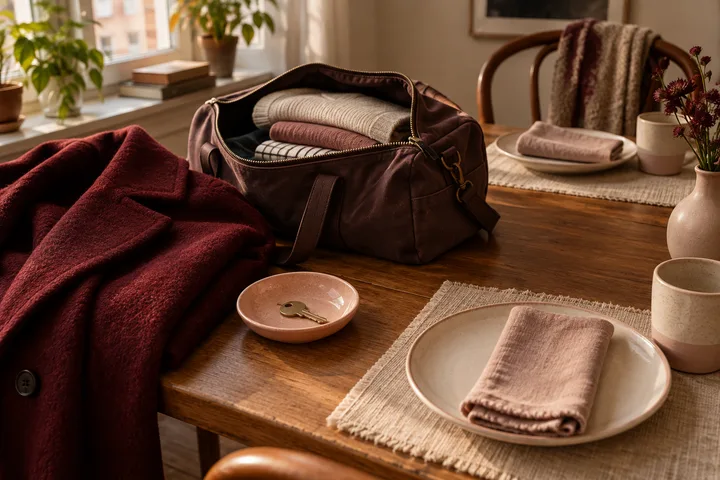
Start with help that ends cleanly. You might listen, bring him a meal, offer a ride to view a room, or send a housing contact he can pursue himself. Each offer has an edge: the conversation ends, the food is gone, the ride is over, or the information is in his hands. Kindness can stay a choice instead of becoming a standing commitment. Before offering money, pause and name what it is. The Consumer Financial Protection Bureau’s “Tips for managing family lending and borrowing” advises people to distinguish a gift from a loan, consider the effect on their finances and relationship, and ask what happens if repayment fails. It also suggests agreeing on the amount, frequency, repayment, and end of the arrangement. The guidance concerns friends and family, not dating partners, but its questions can help you make your own decision clear. If you lend, choose an amount you could manage without getting back. Say whether it is a gift or loan, set terms you both understand, and decide whether this is one-time help. Writing the terms down may prevent different memories of the agreement; it cannot guarantee repayment or preserve the relationship unchanged. You can decide that lending would make dating harder and decline. You don’t owe financial support to prove you care. A loan with your name attached carries more weight than a meal or one ride. The Federal Trade Commission’s “Cosigning a Loan FAQs” explains that a cosigner may have to repay if the borrower does not, and gains no ownership in the property the loan finances. This guidance concerns loans, not rental leases, whose terms and consequences depend on the place and agreement. Still, it shows the gap between the risk you take and what you receive. Don’t sign under pressure or treat a signature as a small favor. Offering a room, key, or use of your address reaches into your private life. Consider who shares your home, whether children or pets depend on its routines, and how work, rest, and safety would be affected. Local housing arrangements may carry rules to understand before you commit. You don’t have to offer shelter to keep dating him. A ride to see a room helps him pursue an option; repeated deposits without his own next step make your resources the plan. Hosting can also be freely chosen mutual care. “Filling the Gaps in an Inadequate Housing Safety Net,” a qualitative study based on 45 interviews with informal housing providers in and around New Haven in 2021, describes people meeting needs when other shelter was unavailable. Some participants reported pooled resources, social support, or stronger relationships. Others described strains on time, resources, autonomy, health, and their own housing security. These local interviews don’t predict what will happen in a dating relationship or make hosting an obligation. They show why a home offer deserves clear terms: it may matter to both people and still carry real costs for the person who opens her door. Choose an offer by its cost, duration, and effect on your freedom to change your mind. If the only workable help would threaten your essentials, privacy, or peace at home, say no. You can care about him and leave his housing plan in his hands.
Sources: Tips for managing family lending and borrowing; Cosigning a Loan FAQs; Filling the Gaps in an Inadequate Housing Safety Net: The Experiences of Informal Housing Providers and Implications for Their Housing Security, Health, and Well-Being
What should you say before the next urgent request?
Choose a calm moment and name your limit. A boundary says what you feel and what you will or won't do. “I care about you. I can't offer my home, essential money, credit, or account access. I can help you think through one next step, if you want.” That leaves room for affection without making it a promise of rescue. Then ask him to name the request. Is he asking you to listen, help him look for a room, lend money, or let him stay? Those are different choices. You don't have to offer more than he asked for or invent his plan for him. Try: “What are you asking me for today?” Follow with: “What are you planning to do next?” It doesn't obligate you to say yes. The Consumer Financial Protection Bureau's “Tips for managing family lending and borrowing” recommends clarifying whether money is a gift or a loan, what repayment would look like, and how the choice could affect the giver's finances and relationship. The page is written for family and friends, not dating partners, so use it as practical questions, not a promise that written terms will prevent conflict. If you consider lending, pause until you can say the amount, terms, and what happens if repayment doesn't come. Don't lend money you need for your own essentials. A clear no is also a complete answer. If you are considering a night in your home, make that a separate decision from a late-night plea. Ask whether everyone in the household agrees, when the stay would end, and whether privacy and safety would feel workable. Rules about guests and tenancy vary by location; check the terms that apply to your home before agreeing. You may decide that a meal, a ride, or help finding a local housing contact is what you can offer. You may decide to offer nothing material. His first reaction may be disappointment, embarrassment, or a pause while he thinks. Don't treat one expression or awkward moment as a verdict on his character. Watch what follows. Can he hear the limit and turn to another option? Or does he keep pressing after you've answered? The National Domestic Violence Hotline's “Financial Abuse” resource describes patterns such as monitoring a partner's spending or controlling earnings. That context matters if pressure becomes a pattern; ordinary frustration alone isn't proof of abuse. You can repeat yourself without defending the boundary: “I understand this is hard. I still can't do that. What else can you try?” If he respects your answer and takes his next step, decide whether to keep dating at a pace that feels right. If he turns your no into proof that you don't care, asks again and again, or makes you responsible for the outcome, slow the relationship down. Let his actual response guide your next choice, not the emergency you fear he might have.
Sources: Tips for managing family lending and borrowing; Financial Abuse
When does hardship become a safety concern?
A request for help is not proof of abuse or fraud. A housing crisis can make anyone sound urgent or ashamed. The concern grows when urgency takes away your choice: he presses you to decide before you can think, changes important details, asks for account access, or treats your refusal as something you must make up for. Watch the pattern, not one uncomfortable moment.
The National Domestic Violence Hotline describes financial abuse as a form of power and control over a partner’s money or ability to provide for herself. Its examples include monitoring a partner’s spending, controlling her earnings, or interfering with her ability to work. Those are not simply signs that someone is short on money. They show one person trying to govern the other person’s choices. A hard week and a pattern of control are different things.
The Hotline suggests ways to protect financial independence, including keeping personal funds and important documents accessible and adding two-factor authentication to financial accounts. These are options when control is a concern, not steps you must take after every request. If a change could make things less safe, do not feel obliged to confront him or change settings in front of him. Your judgment about immediate risk matters more than proving a boundary was reasonable.
Fraud is another possibility to assess carefully, without making hardship itself suspicious. The Consumer Financial Protection Bureau says romance scams can involve someone new building trust and then asking for money, a loan, or account access. Its guidance cautions against sending money or sharing sensitive personal information, such as bank or credit-card numbers, with a new love connection. That warning supports a pause around financial access; it does not mean every man who asks for help with housing is running a scam. One request, by itself, cannot tell you that.
The fairest comparison is between a person in distress who can hear a limit and a person who keeps trying to defeat it. He may feel embarrassed or let down when you say no. If he accepts the boundary, discusses another option, and stays honest about what he needs, there is room for repair and continued dating. If he keeps demanding money or account access, monitors your spending, interferes with your work, hides key facts, or retaliates when you refuse, the issue has changed. You are no longer deciding how much help to offer; you are protecting your freedom to choose.
If you feel unsafe, you do not owe him a face-to-face conversation to explain your limit. Create distance safely, tell someone you trust, and seek local support. The National Domestic Violence Hotline offers safety-planning information and support. If danger is immediate, prioritize getting to safety and contacting emergency help where you are. You can care about his housing situation and still protect your money, work, privacy, and peace.

Sources: Financial Abuse; What are some common types of fraud and scams?
What can synastry add to this decision?
Synastry can help you reflect on what home, belonging, and shared resources awaken between you. A fourth-house emphasis can draw attention to roots and private life; an eighth-house emphasis can bring intimacy and shared resources into view. Neither placement decides that you must rescue him. Astrology can name the pull. Your choices still belong to you.
In synastry, astrologers place one person’s planets in the other person’s natal houses and consider which areas of life the relationship stirs. “Romantic Compatibility Synastry House Overlays” describes overlays as concentrating interaction in particular areas, like a planet activating a house’s themes. The reading moves both ways: his planets in your houses, and yours in his. This offers language for reflection; it doesn’t tell you what he intends or what you owe him.
A fourth-house emphasis can make home and emotional shelter feel close. Ask yourself: Does offering him a place to stay feel like proof of intimacy? Do family patterns or a longing to create safety shape what you’re willing to offer? These questions can reveal what the situation stirs in you. They cannot establish that he needs your home or that you should provide it. Notice whether an offer is freely chosen and workable for your life.
An eighth-house emphasis can turn attention toward trust, vulnerability, dependence, and shared resources. It may help you ask why practical support feels bound up with closeness: Would lending feel like trust, or create an obligation neither of you has discussed? Could you stay open while keeping your accounts, credit, and housing separate? These are reflective questions, not a forecast that finances will merge. A chart theme doesn’t make a risky offer safer or refusal unloving.
The houses frame different parts of the decision. The fourth points toward privacy, belonging, and home. The eighth asks what happens when trust and material vulnerability meet. Together, they can help you name an offer’s emotional meaning. But symbolism cannot replace the terms: what he asks for, what you can freely give, what stays off limits, and whether he respects that limit.
No birth data or chart positions were supplied, so this is a general astrological application, not a personal synastry reading. A specific interpretation depends on the charts and house framework used. Even then, astrology can help you reflect on what the connection brings forward; it cannot verify his account or decide whether you should lend, host, or keep dating. Return to the exchange: what he asks, what steps he takes, and how he responds to your limit.
Let the chart help you understand the pull, then choose from your values and limits. You might feel moved by the promise of home, trust, or intimacy. You can honor that feeling without turning it into a duty. Ask whether closeness leaves room for both people’s needs, and whether practical help remains a choice rather than the price of staying connected. His conduct and your consent guide the decision.
Choose the next pace from what he does
Before your next date, write two lines: “I can offer…” and “I cannot offer…” Make each concrete. You might offer a meal or help thinking through one next step, while ruling out a loan, your address, or a key. Choose a boundary you can keep without resentment or fear. You don’t have to decide the whole relationship during an urgent request.
Across your next few interactions, notice whether he takes the step he named, tells you when plans change, and keeps plans. Does he remain interested in your life while handling his own problem? A setback doesn’t settle the question; his effort and respect for your choice matter. The Consumer Financial Protection Bureau’s family-lending guidance recommends clarifying the request, repayment expectations, and possible effect on the relationship.
Continue if respect and mutual effort are present. Slow down if facts remain unclear but he accepts your limit. Step away if he makes you responsible for the plan or treats no as an opening to pressure you. The National Domestic Violence Hotline describes financial control as a pattern that can include monitoring spending or controlling earnings. If you’re concerned for your safety, protect your choices and seek support. The Dating Clarity Report can help organize observations about consistency, intentions, pace, and boundaries before a conversation; it won’t decide for you. Ask him: “What’s your next step, and what kind of relationship can we build while you work on it?” Then notice what he does.
Sources: Tips for managing family lending and borrowing; Financial Abuse
Sources & further reading
- Measuring Housing Insecurity: Index Development Using American Housing Survey Data
Supports the distinction between housing affordability, stable occupancy, and safety and decency.
- Tips for managing family lending and borrowing
Supports clarifying the request, gift or loan terms, repayment, affordability, and relationship effects.
- Cosigning a Loan FAQs
Supports the distinction between cosigning loan liability and ownership of the financed property.
- Financial Abuse
Supports distinguishing financial control patterns from ordinary financial strain and protecting independence.
- What are some common types of fraud and scams?
Supports pausing around requests for money, loans, or account access without treating hardship as proof of fraud.
- Romantic Compatibility Synastry House Overlays
Supports the general astrological interpretation of house overlays as emphasizing house themes in a relationship.
- Filling the Gaps in an Inadequate Housing Safety Net: The Experiences of Informal Housing Providers and Implications for Their Housing Security, Health, and Well-Being
Supports the comparison between benefits and burdens reported by informal housing providers in 45 local interviews.
Dating Clarity Report
Six observations about the man you are dating. A clear view of the patterns, plus a conversation for your next decision.
Get my dating clarity report